Maße: ca. 50 × 77 × 82 × 44 cm (Breite × Tiefe × Höhe × Sitzhöhe)
Originaler S 533 RF Freischwinger, entworfen von Ludwig Mies van der Rohe für Thonet. Der 1927 entwickelte Armlehnstuhl zählt zu den frühesten und bedeutendsten Freischwinger-Entwürfen der Designgeschichte und markiert einen Meilenstein der Moderne. Im Vorfeld der Weißenhofsiedlung in Stuttgart setzte sich Mies van der Rohe mit dem von Mart Stam entwickelten Kragstuhl-Prinzip auseinander und schuf daraus eine vollkommen neue, elegante Interpretation. Mit seiner charakteristischen, großzügig gebogenen Stahlrohrform verbindet der S 533 technische Innovation mit architektonischer Leichtigkeit und zählt bis heute zu den ikonischsten Bauhaus-Entwürfen.
Der Stuhl besteht aus gebogenem, verchromtem Rundstahl und ist an Sitz- und Rückenfläche mit naturbelassenem Rattangeflecht ausgestattet. Die aus einem einzigen Stahlrohr geformte Konstruktion verleiht dem Freischwinger seine charakteristische dauerelastische Federung und einen außergewöhnlich hohen Sitzkomfort. Die transparente Formensprache und die hochwertige Materialkombination machen den S 533 gleichermaßen zu einem funktionalen Sitzmöbel und einer skulpturalen Designikone – ob am Schreibtisch, im Lesezimmer oder als Kopfstuhl am Esstisch. Insgesamt sind vier identische Stühle vorhanden; gern geben wir sie auch als Paar oder als Set ab.
Zustand: Hervorragender Vintage-Zustand. Das originale Rattangeflecht hat keinerlei Brüche oder Beschädigungen und weist keine Flecken auf. Das Chrom zeigt lediglich wenige kleinere altersbedingte Gebrauchsspuren. Ein außergewöhnlich gut erhaltenes Exemplar eines der wichtigsten Bauhaus- und Thonet-Klassiker.
/ / /
Dimensions: approx. 50 × 77 × 82 × 44 cm (19.7" × 30.3" × 32.3" × 17.3") Width × Depth × Height × Seat Height
Original S 533 RF cantilever armchair, designed by Ludwig Mies van der Rohe for Thonet. Introduced in 1927, the S 533 is among the earliest and most influential cantilever chair designs in furniture history. Developed shortly before the famous Weißenhof Estate exhibition in Stuttgart, Mies van der Rohe reinterpreted the cantilever principle pioneered by Mart Stam, transforming a technical innovation into an elegant architectural statement. Its sweeping tubular steel frame and refined proportions have made the S 533 one of the defining icons of Bauhaus and Modernist design.
The chair features a chrome-plated tubular steel frame with natural cane weaving on both the seat and backrest. Formed from a continuous steel tube, the cantilever construction provides the characteristic flexible suspension that offers exceptional seating comfort. The combination of minimalist geometry, transparency and premium craftsmanship makes the S 533 both a functional armchair and a timeless design masterpiece – at a desk, in a reading corner or at the head of a dining table. Four identical chairs are available; they can also be purchased as a pair or as a set.
Condition: Excellent vintage condition. The original cane is free from breaks, damage or stains. The chrome frame shows only minor signs of age-related wear. A beautifully preserved example of one of Thonet's most celebrated Bauhaus classics.

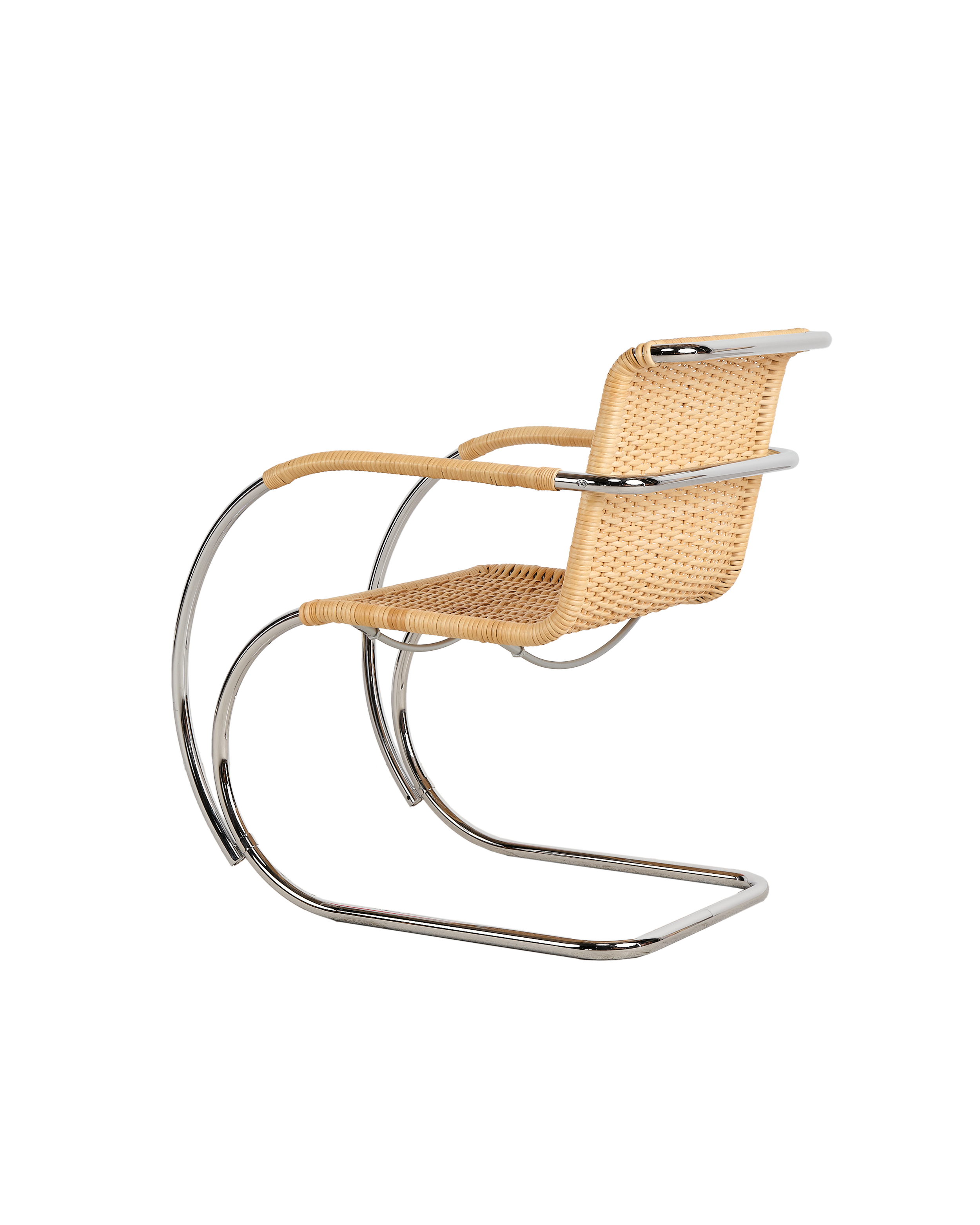 Bild 1 von 25
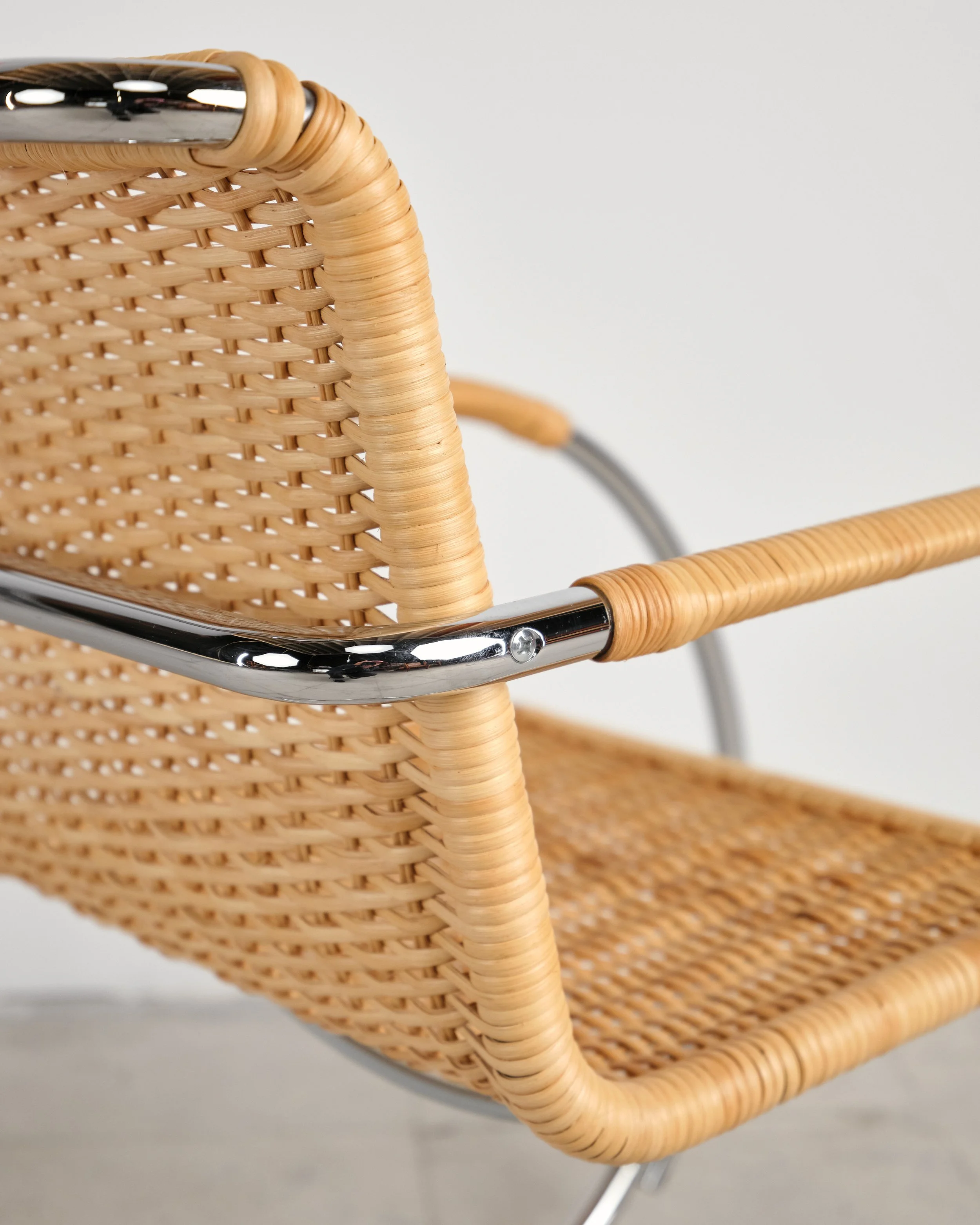 Bild 2 von 25
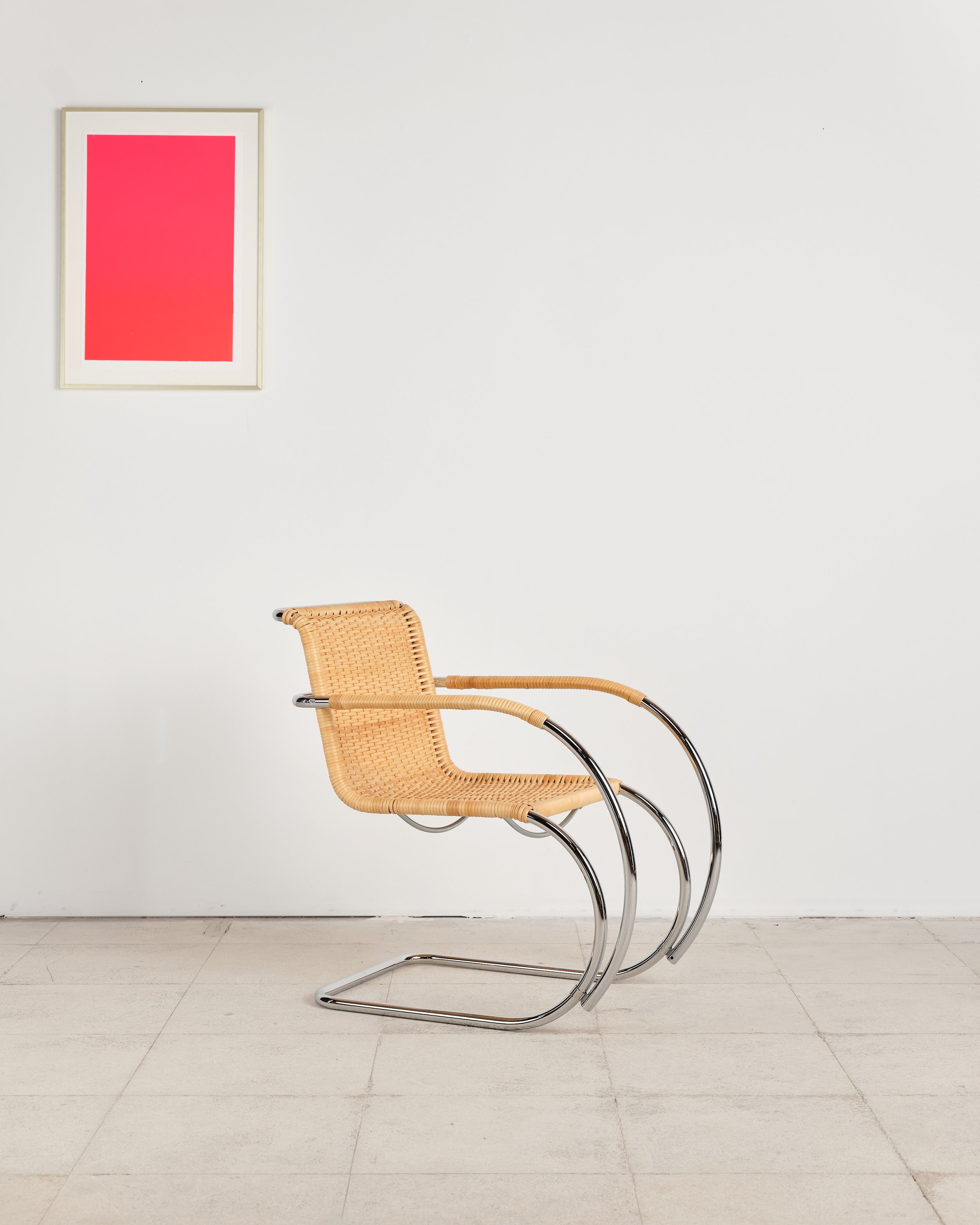 Bild 3 von 25
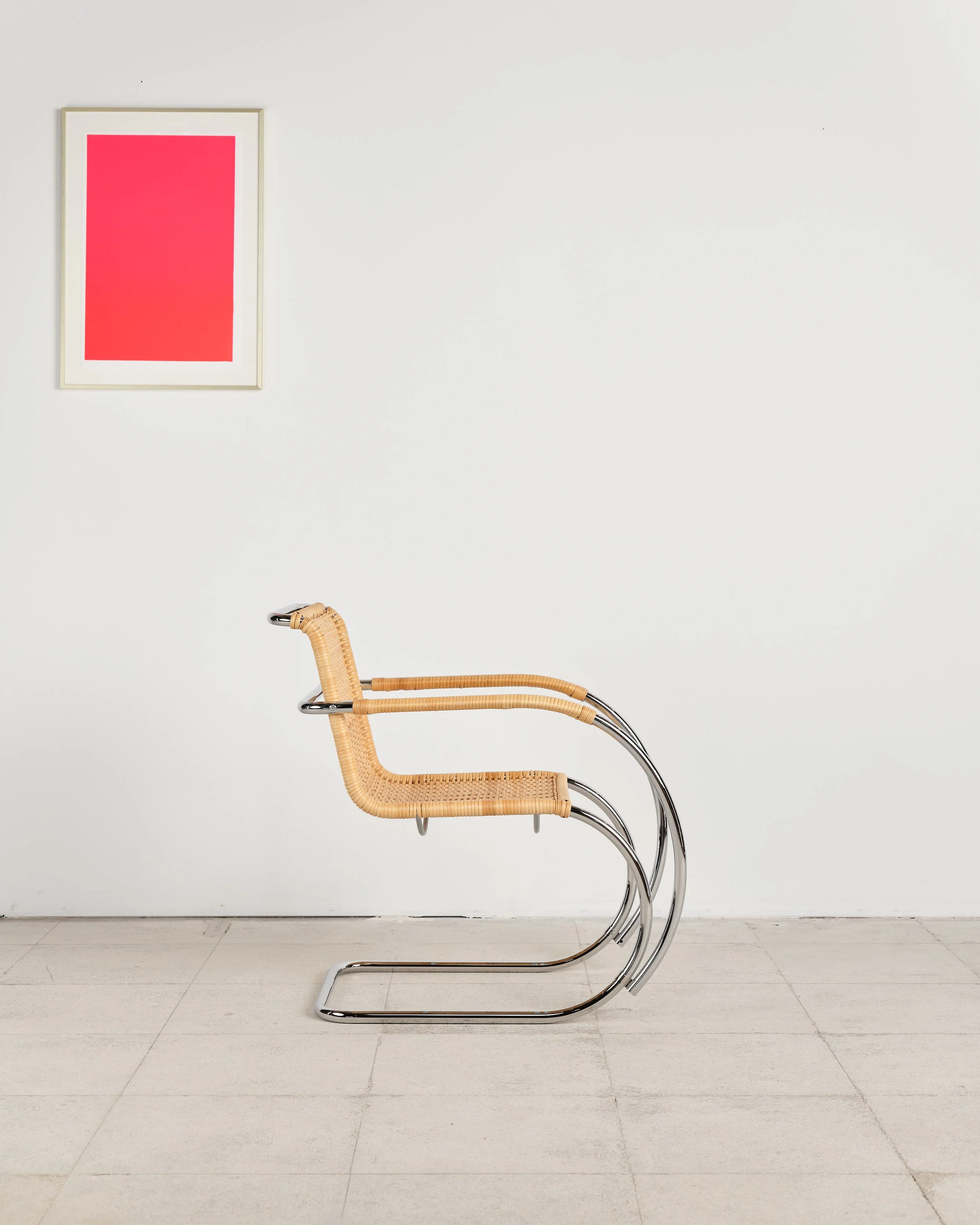 Bild 4 von 25
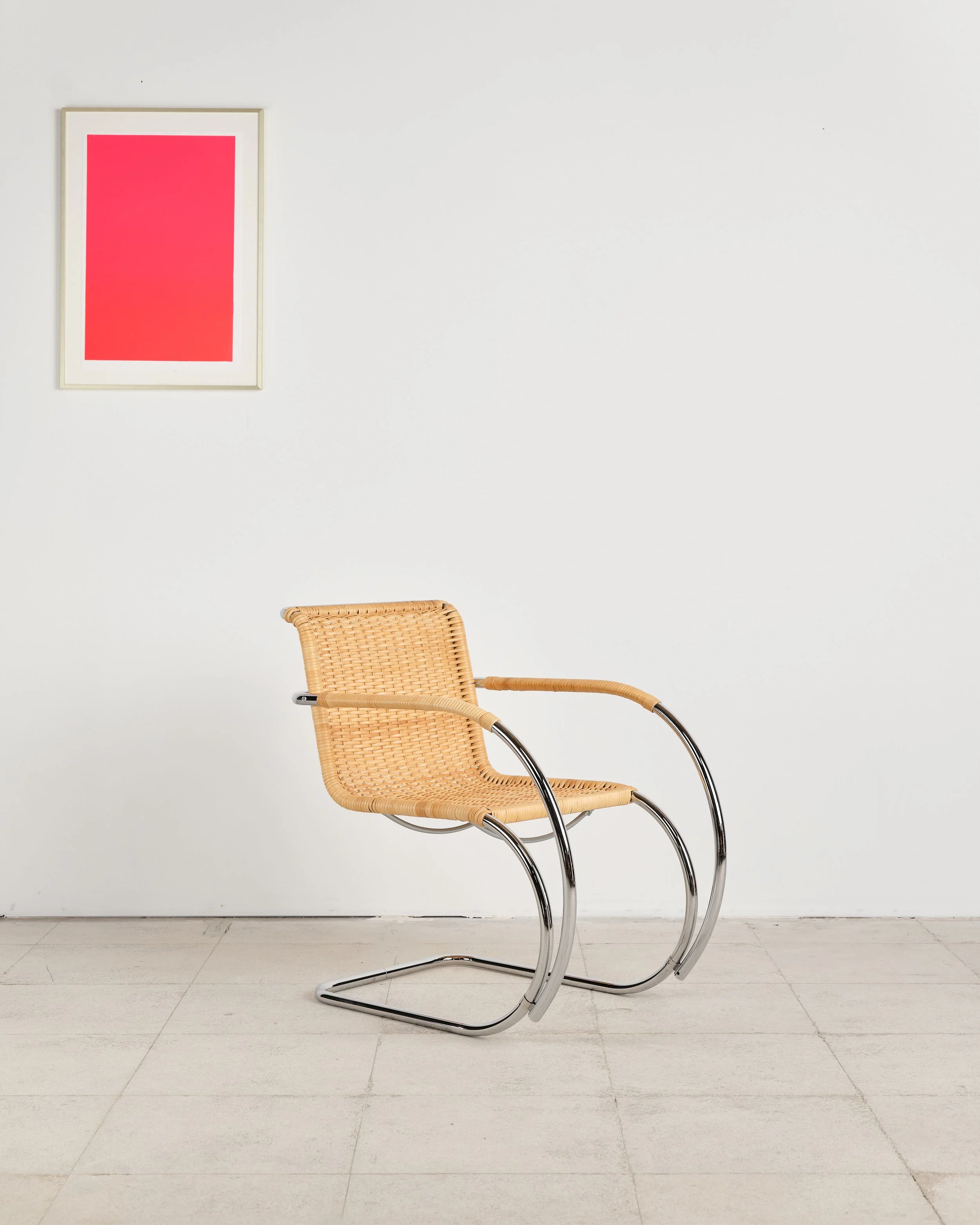 Bild 5 von 25
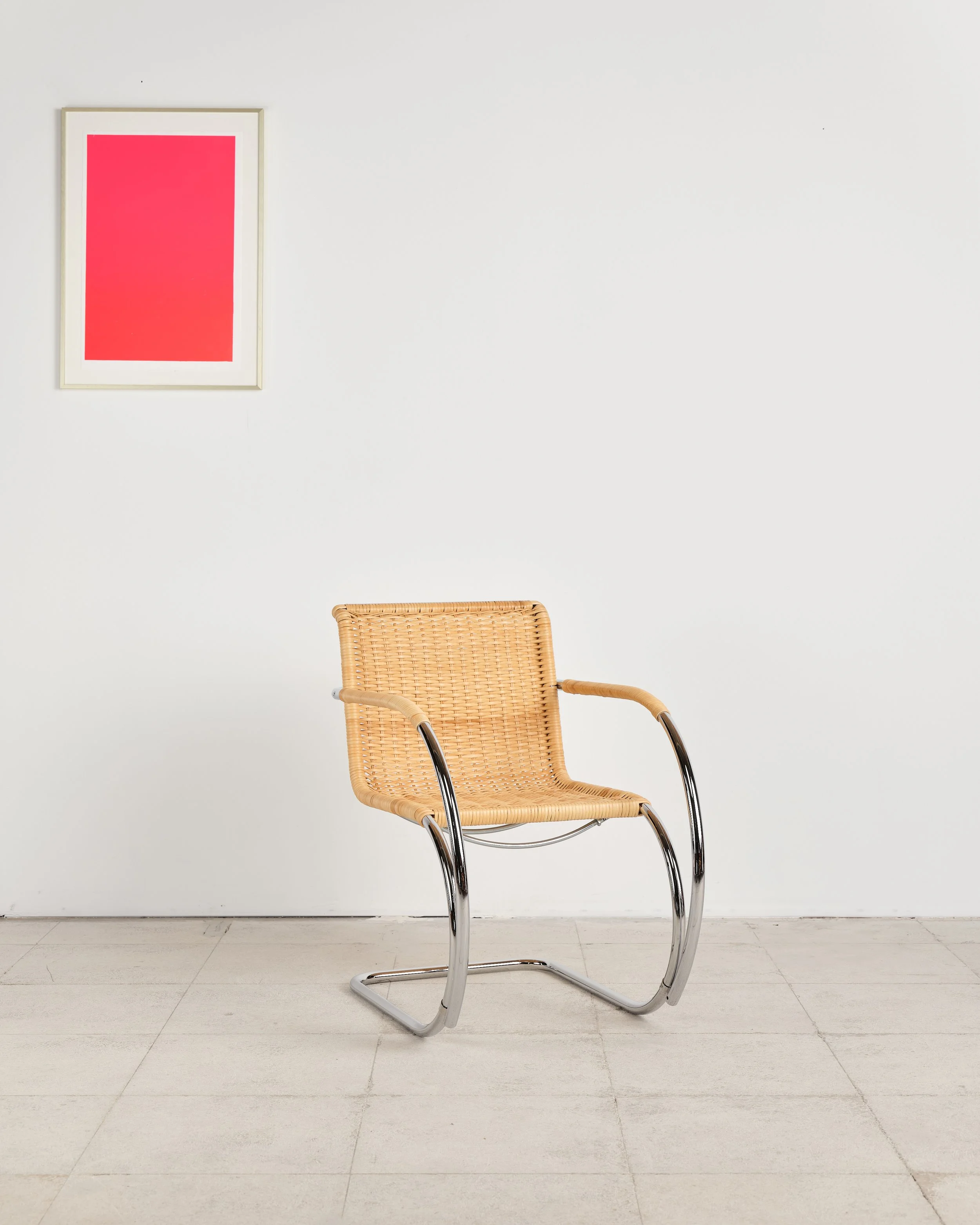 Bild 6 von 25
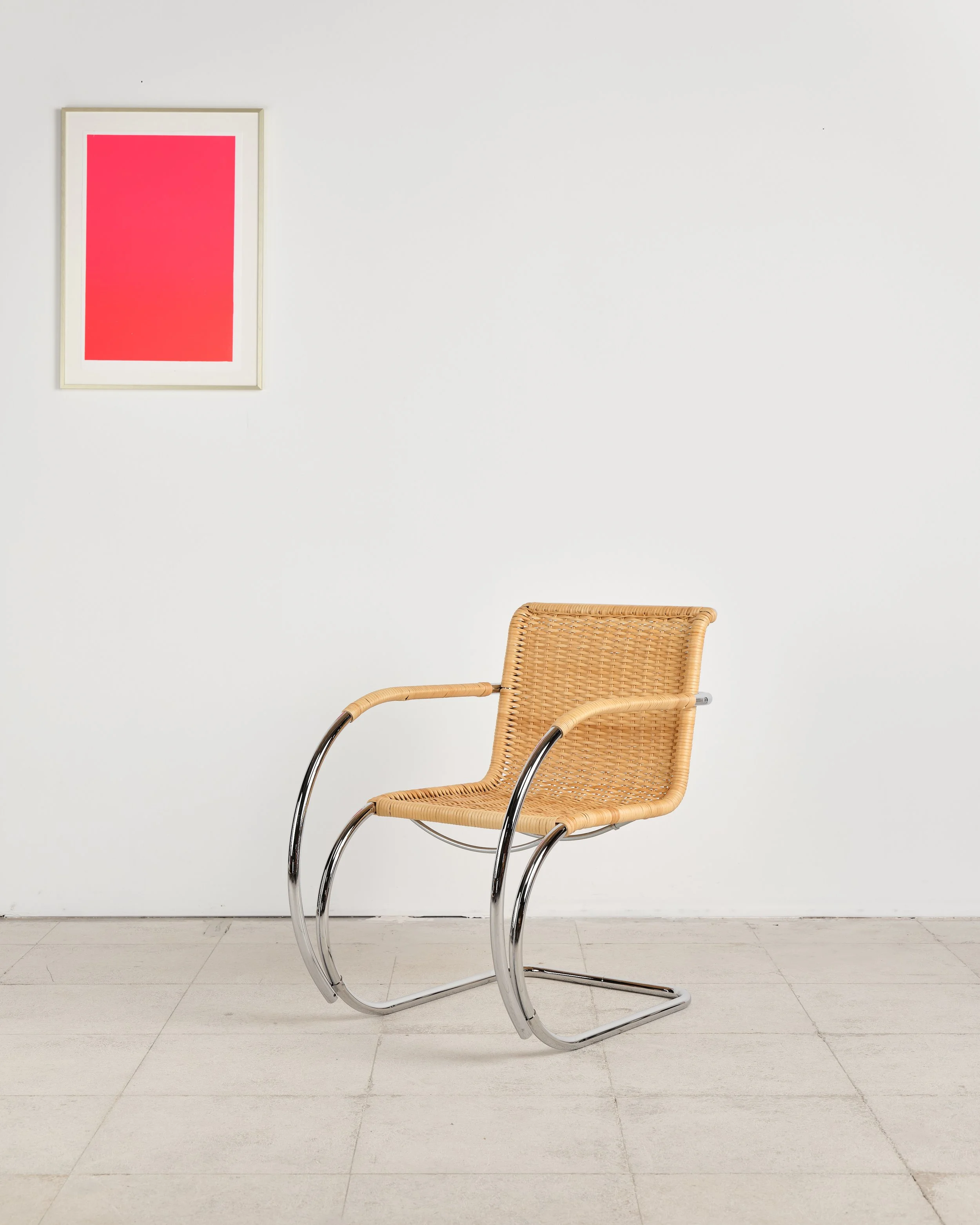 Bild 7 von 25
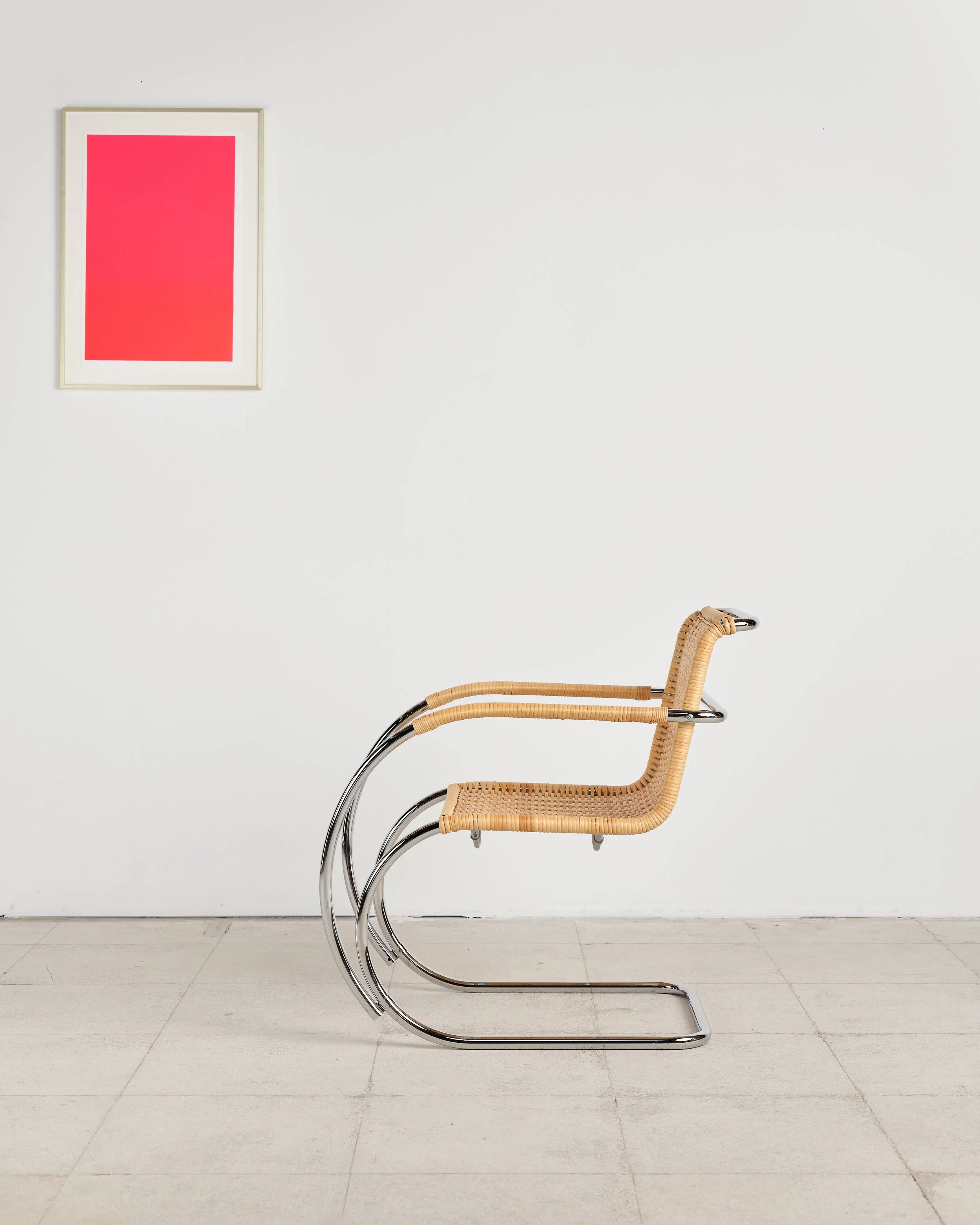 Bild 8 von 25
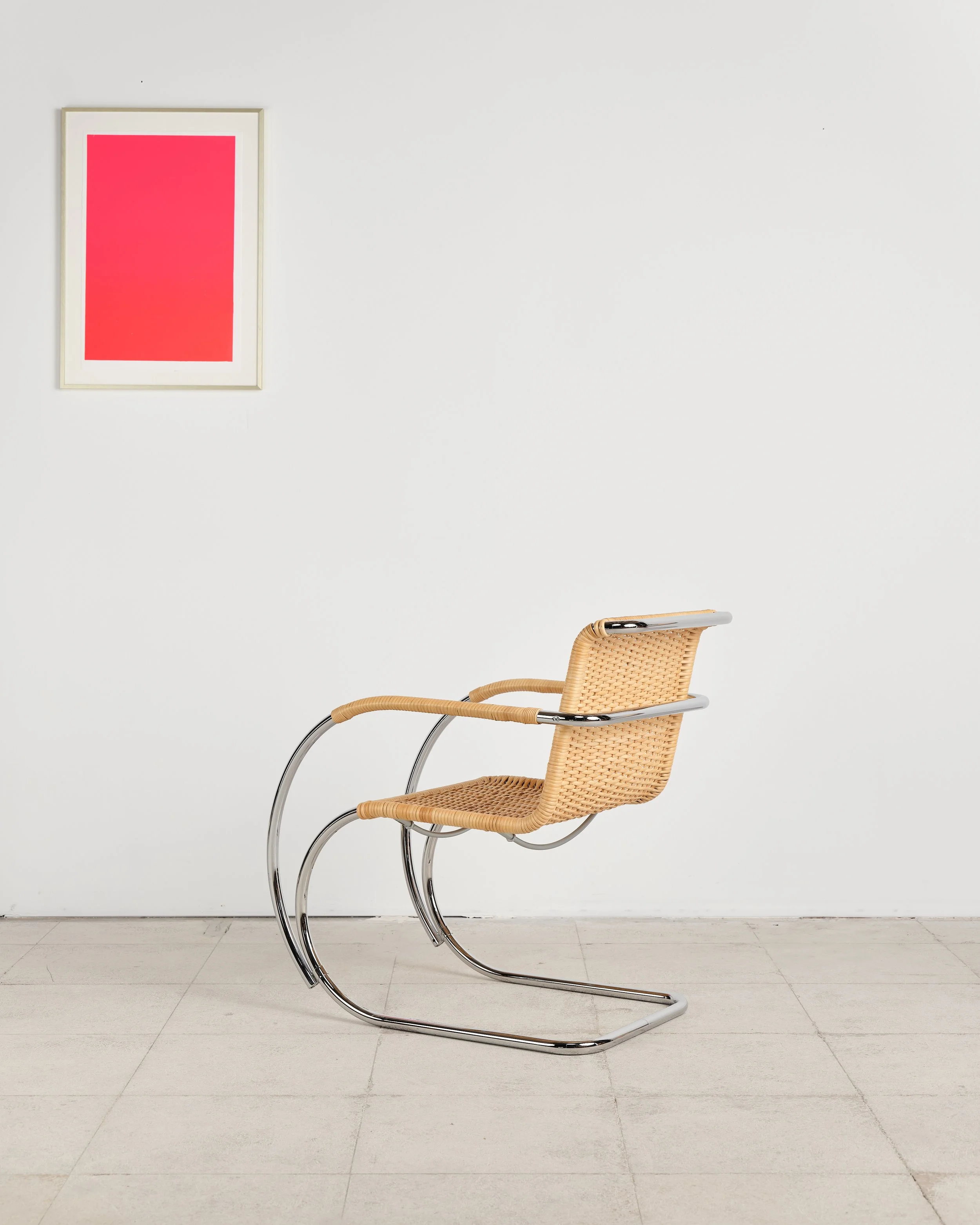 Bild 9 von 25
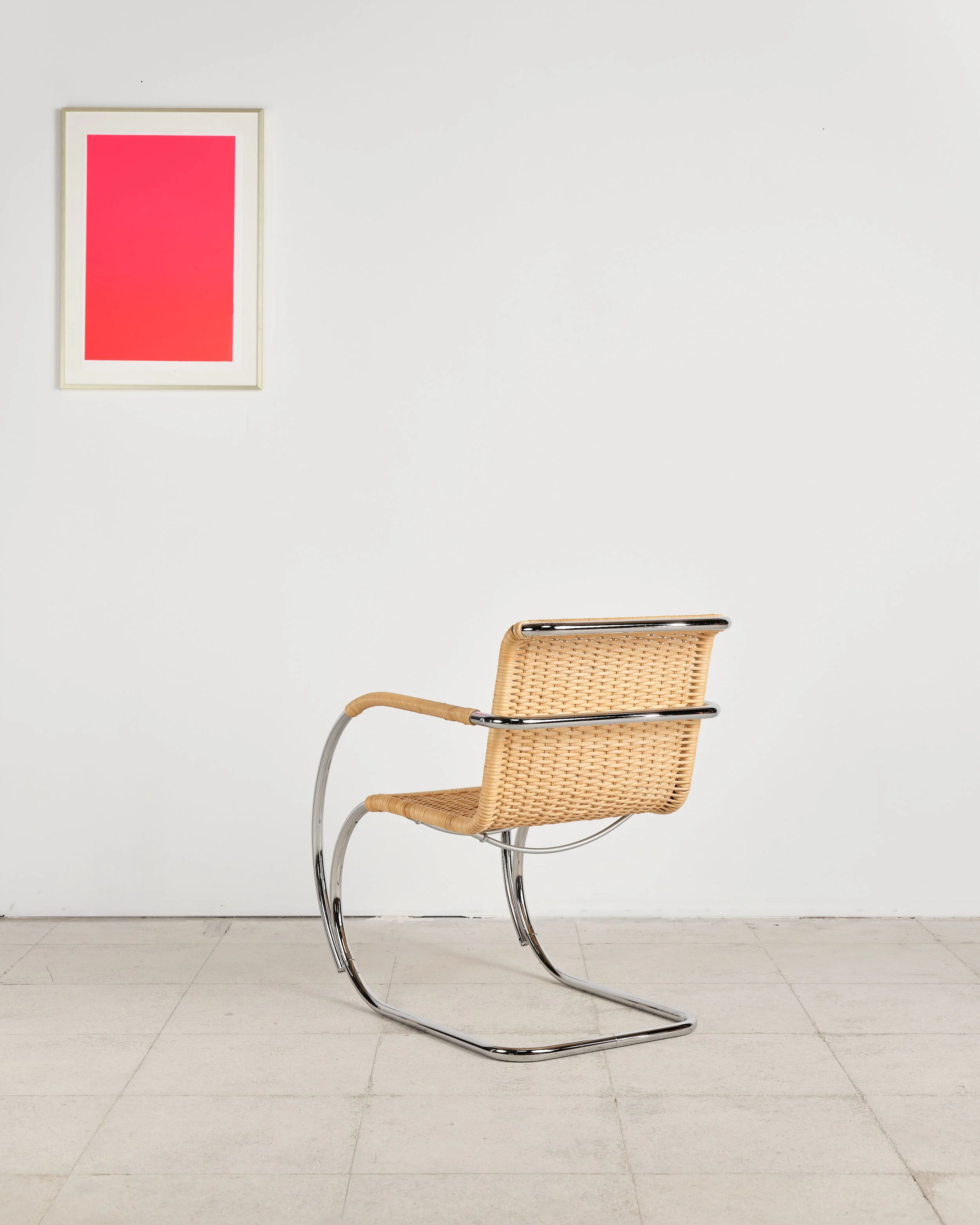 Bild 10 von 25
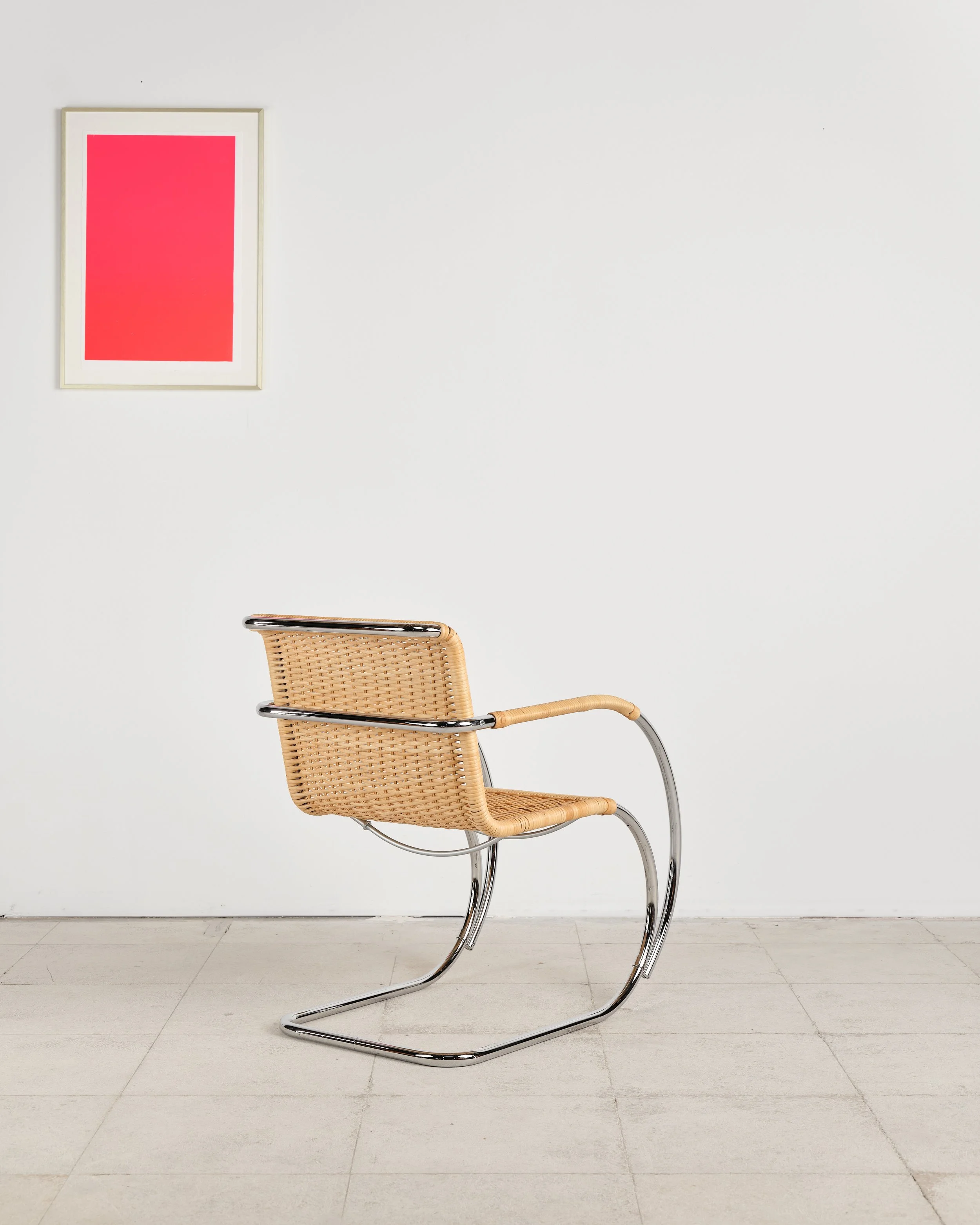 Bild 11 von 25
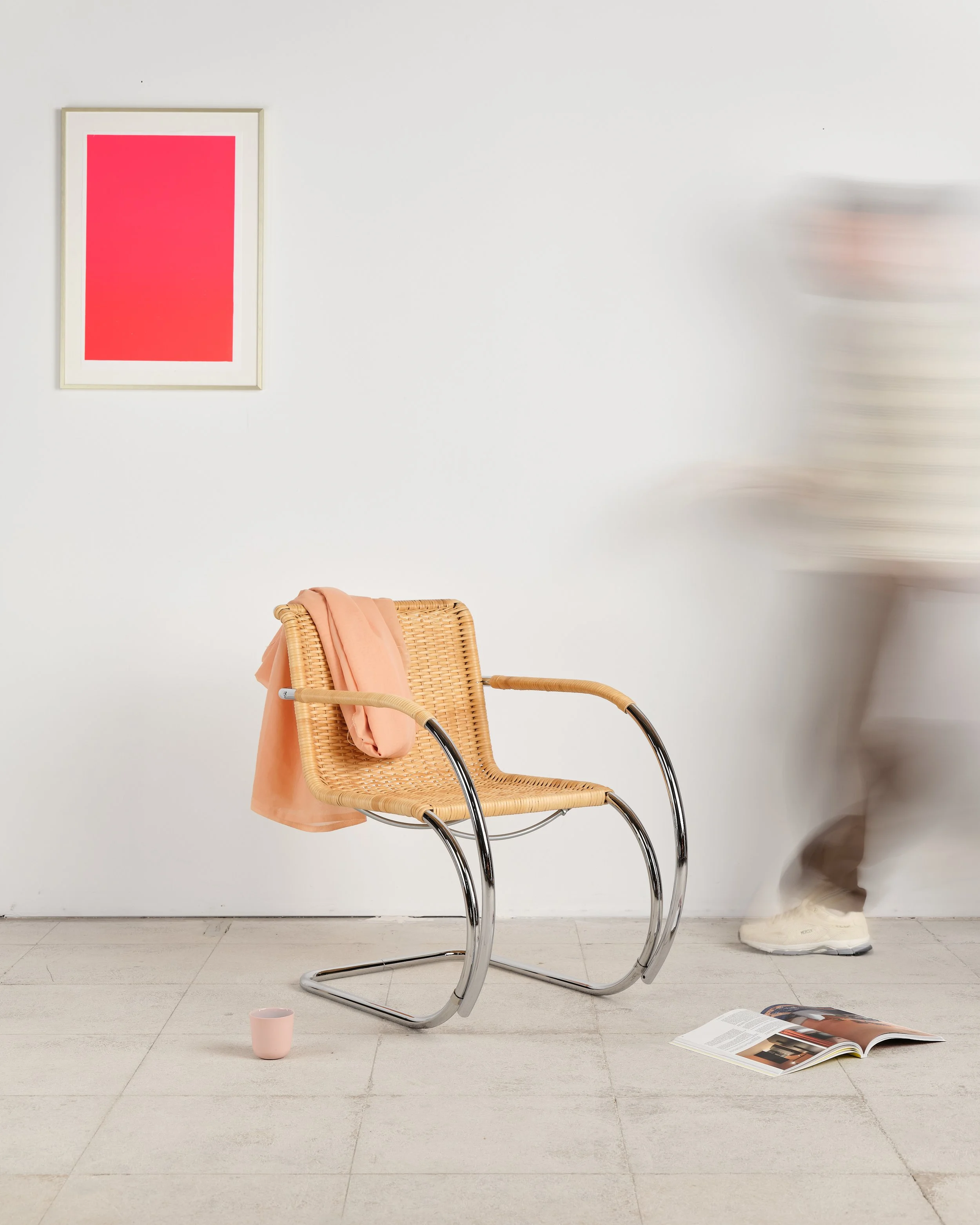 Bild 12 von 25
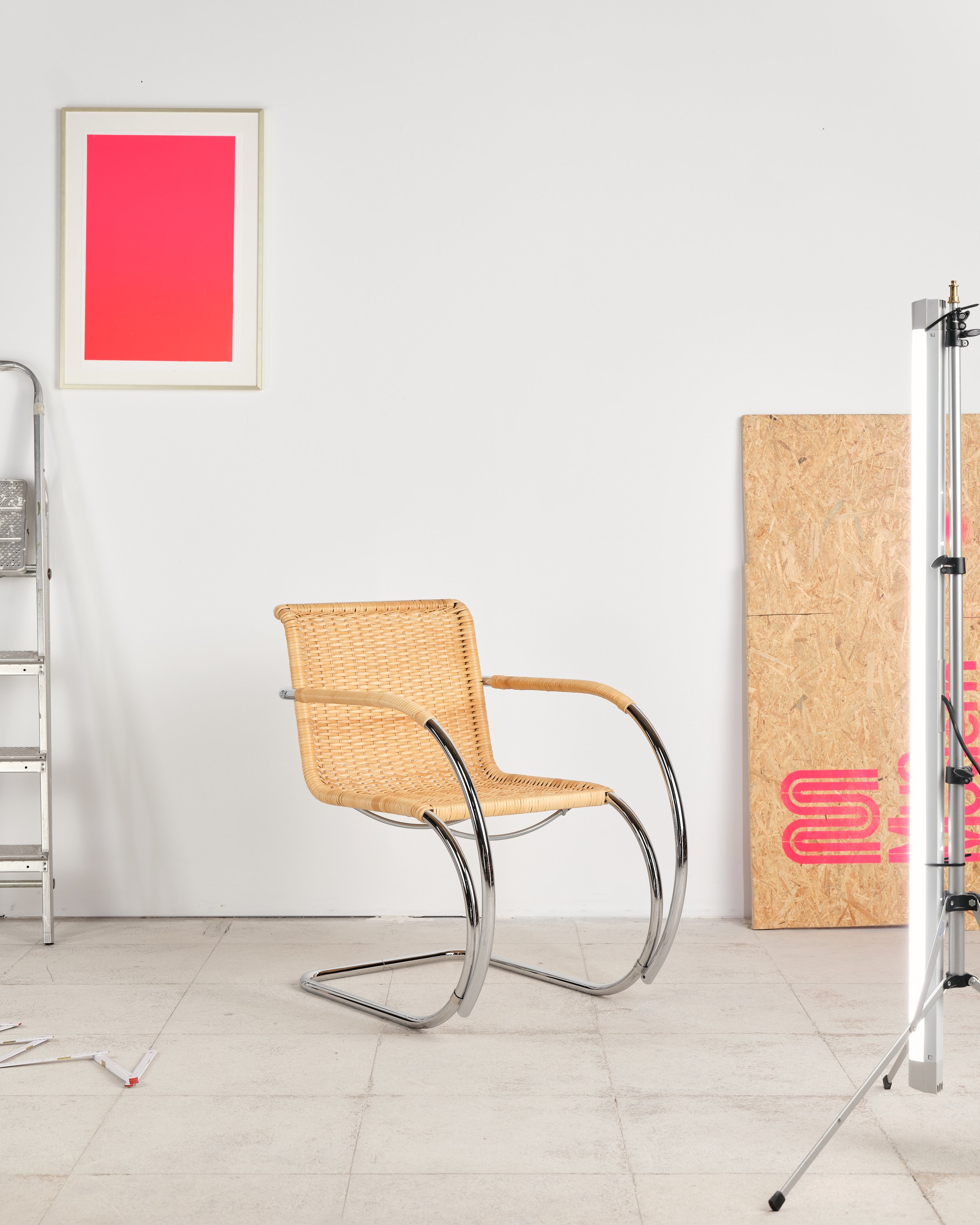 Bild 13 von 25
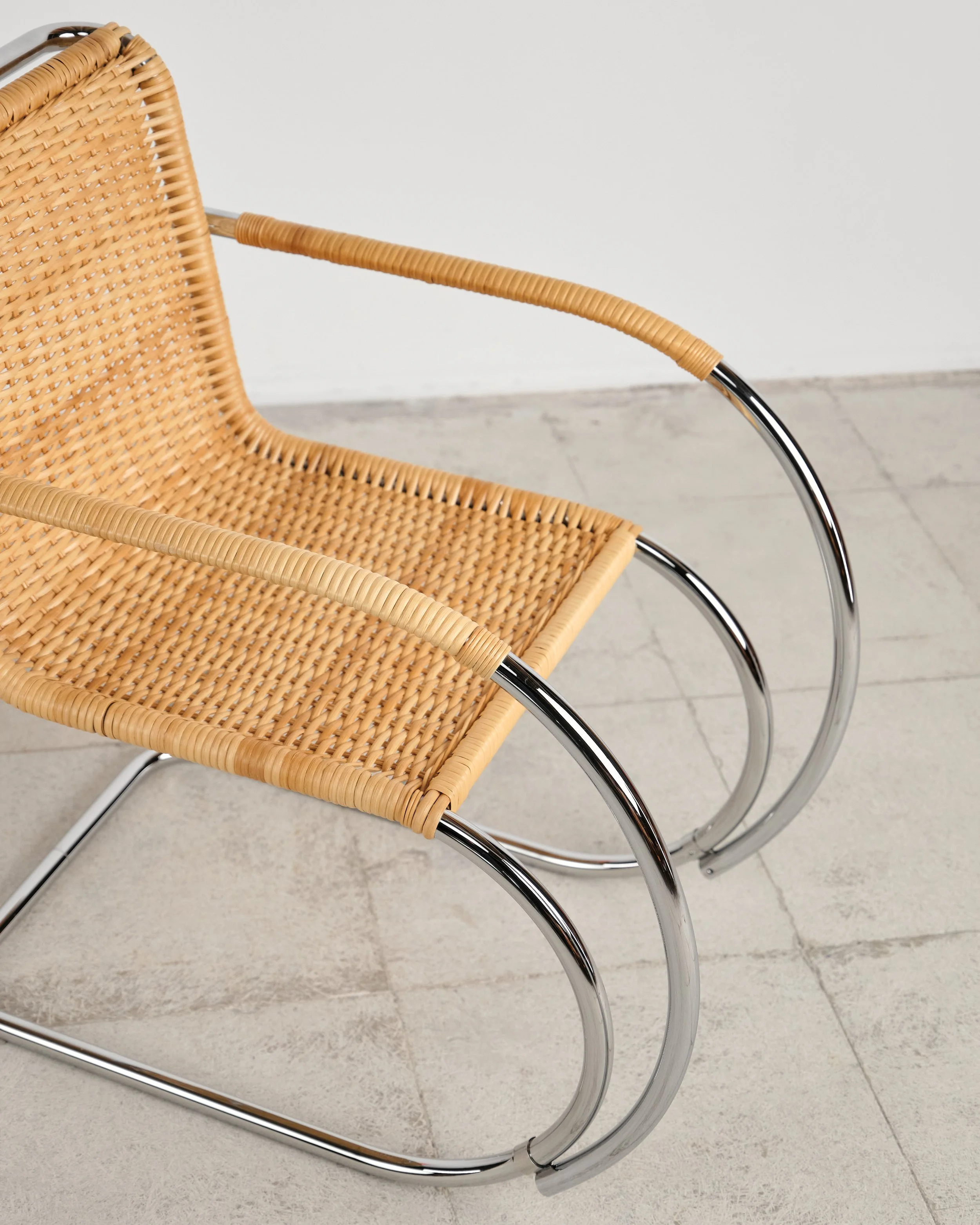 Bild 14 von 25
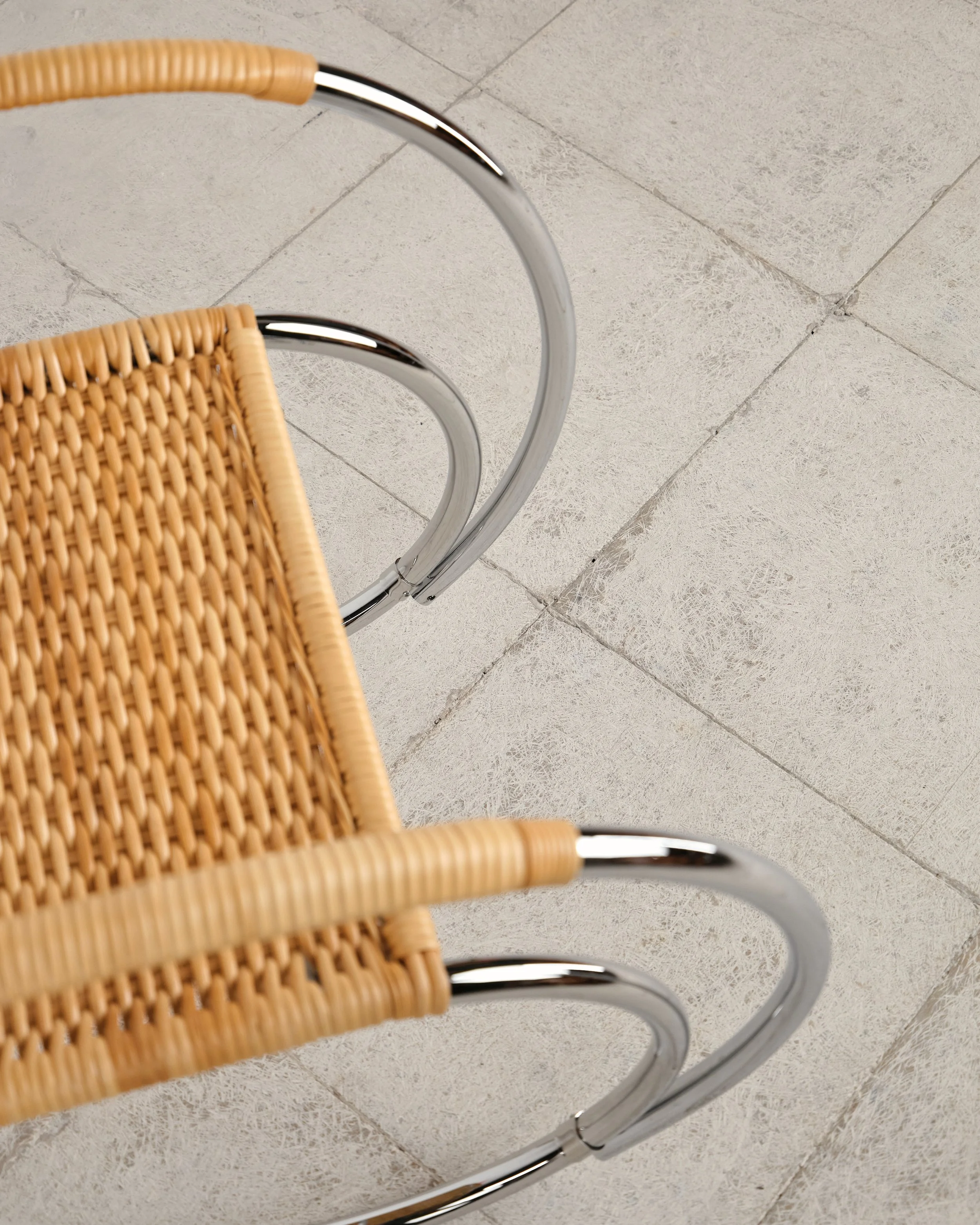 Bild 15 von 25
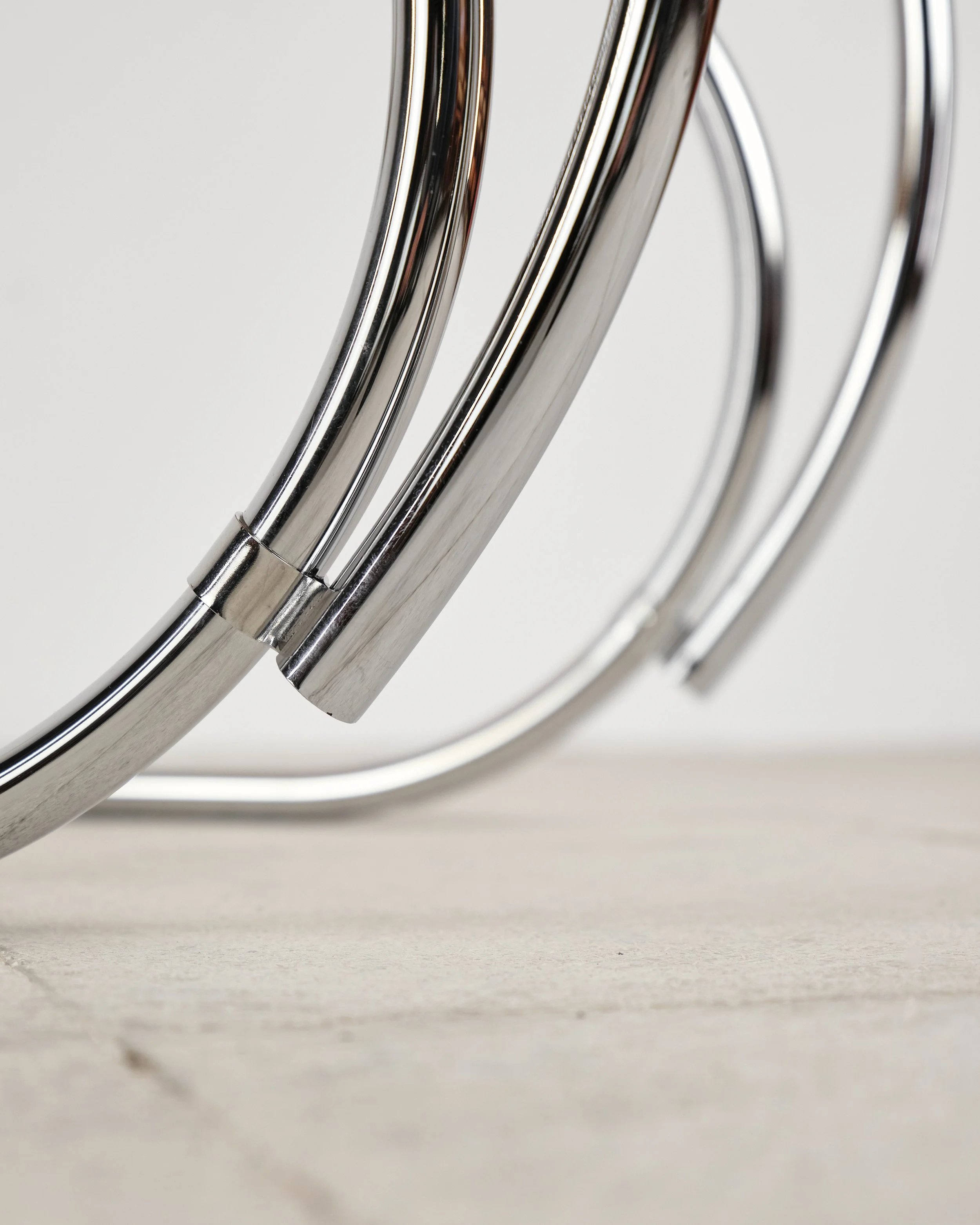 Bild 16 von 25
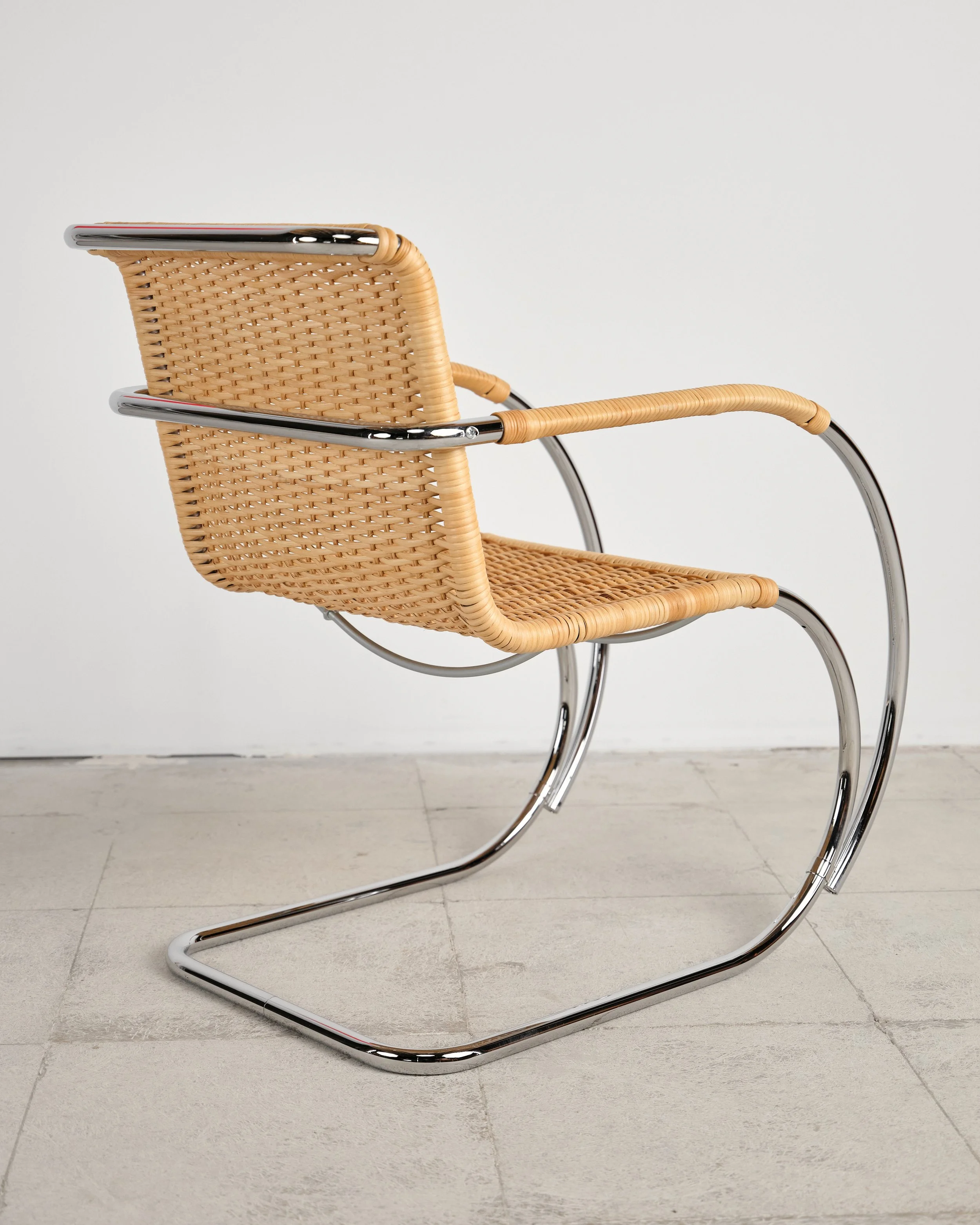 Bild 17 von 25
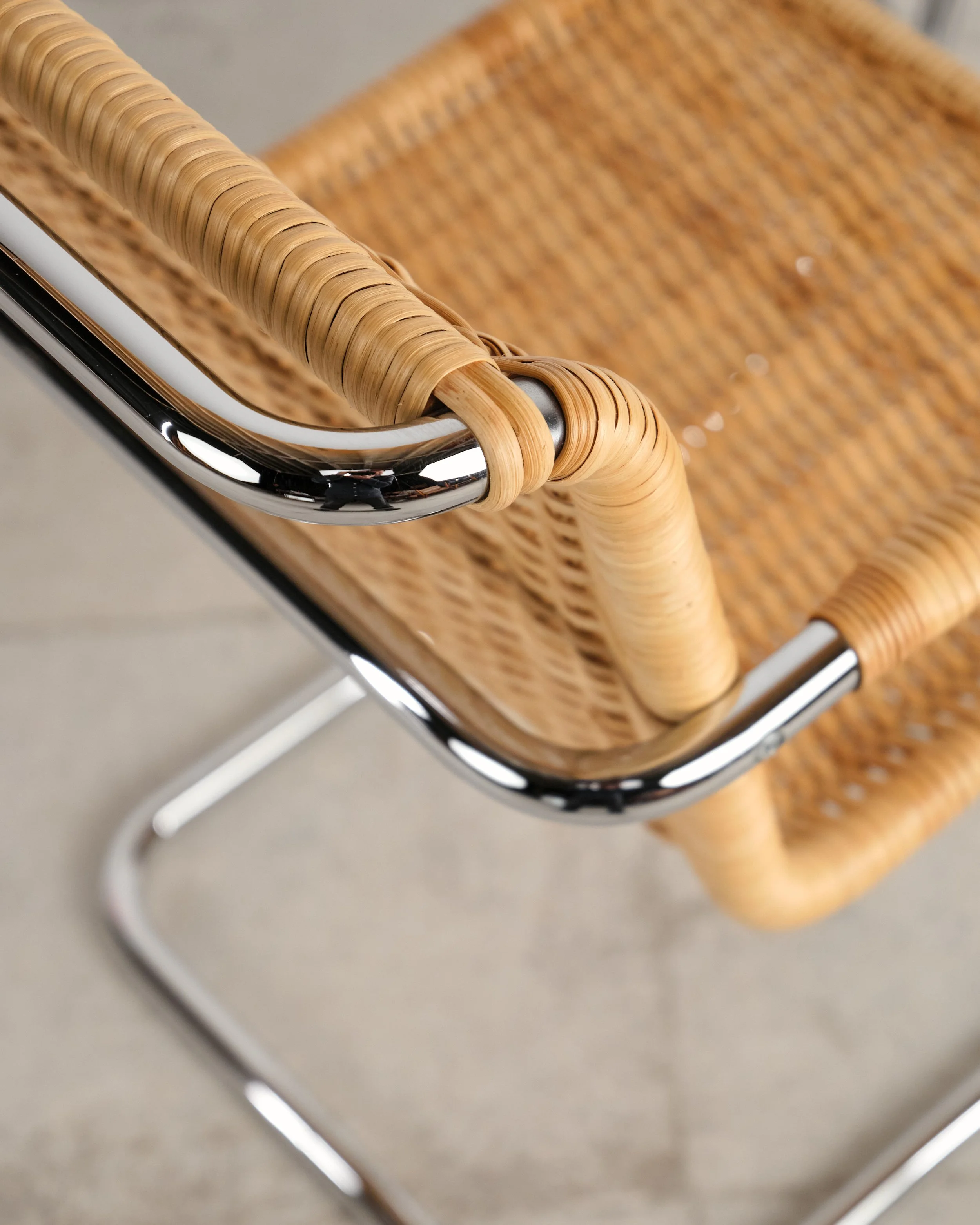 Bild 18 von 25
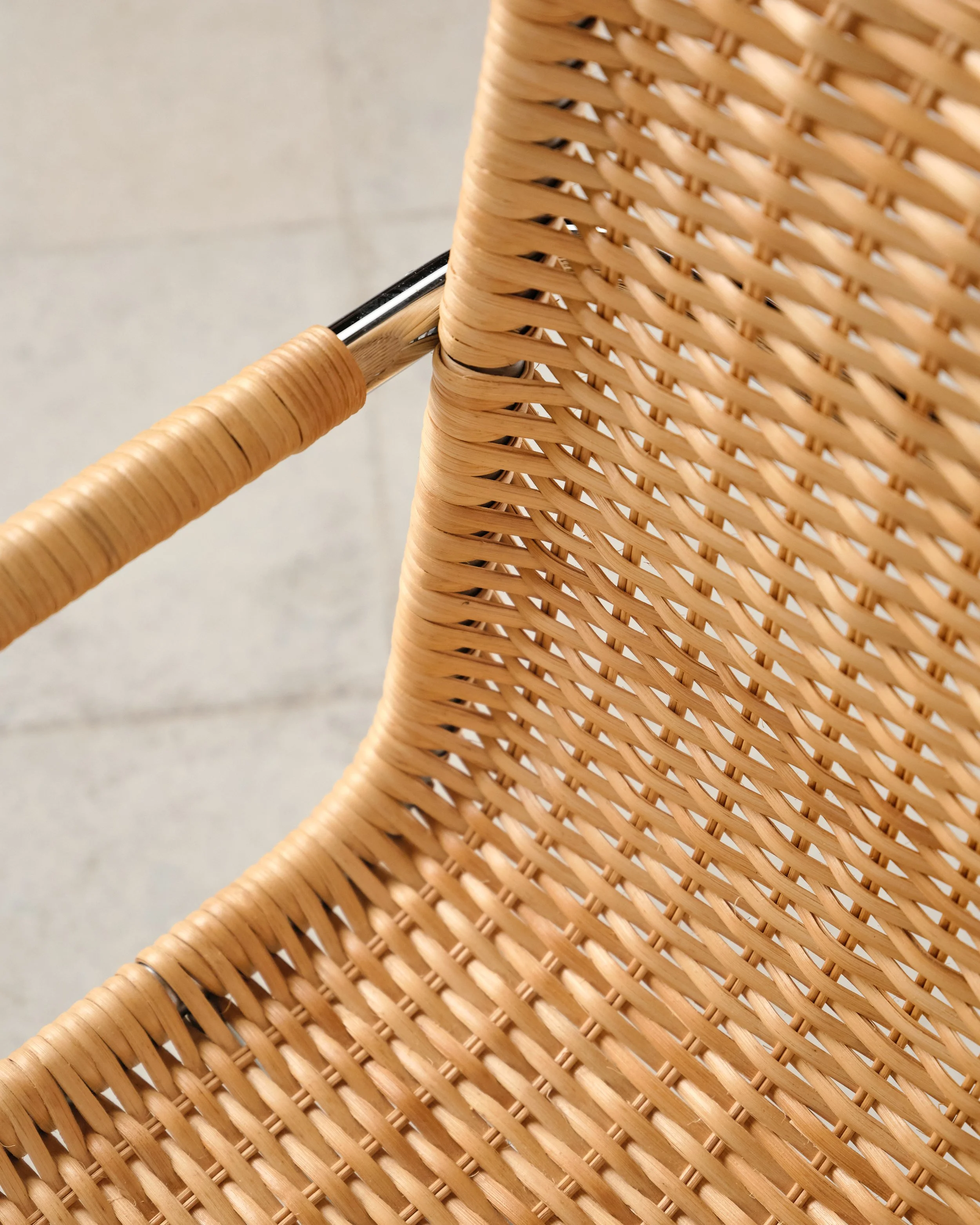 Bild 19 von 25
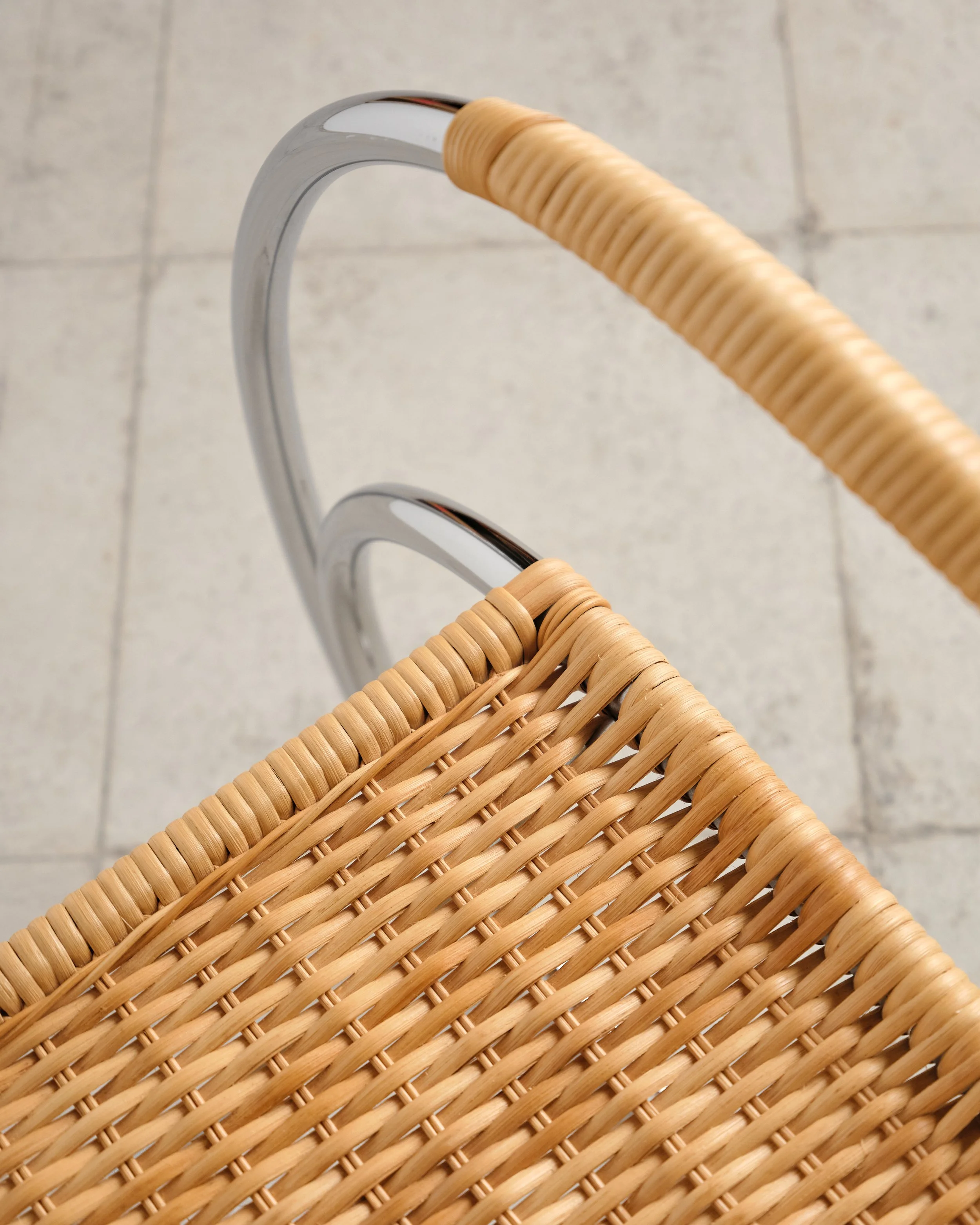 Bild 20 von 25
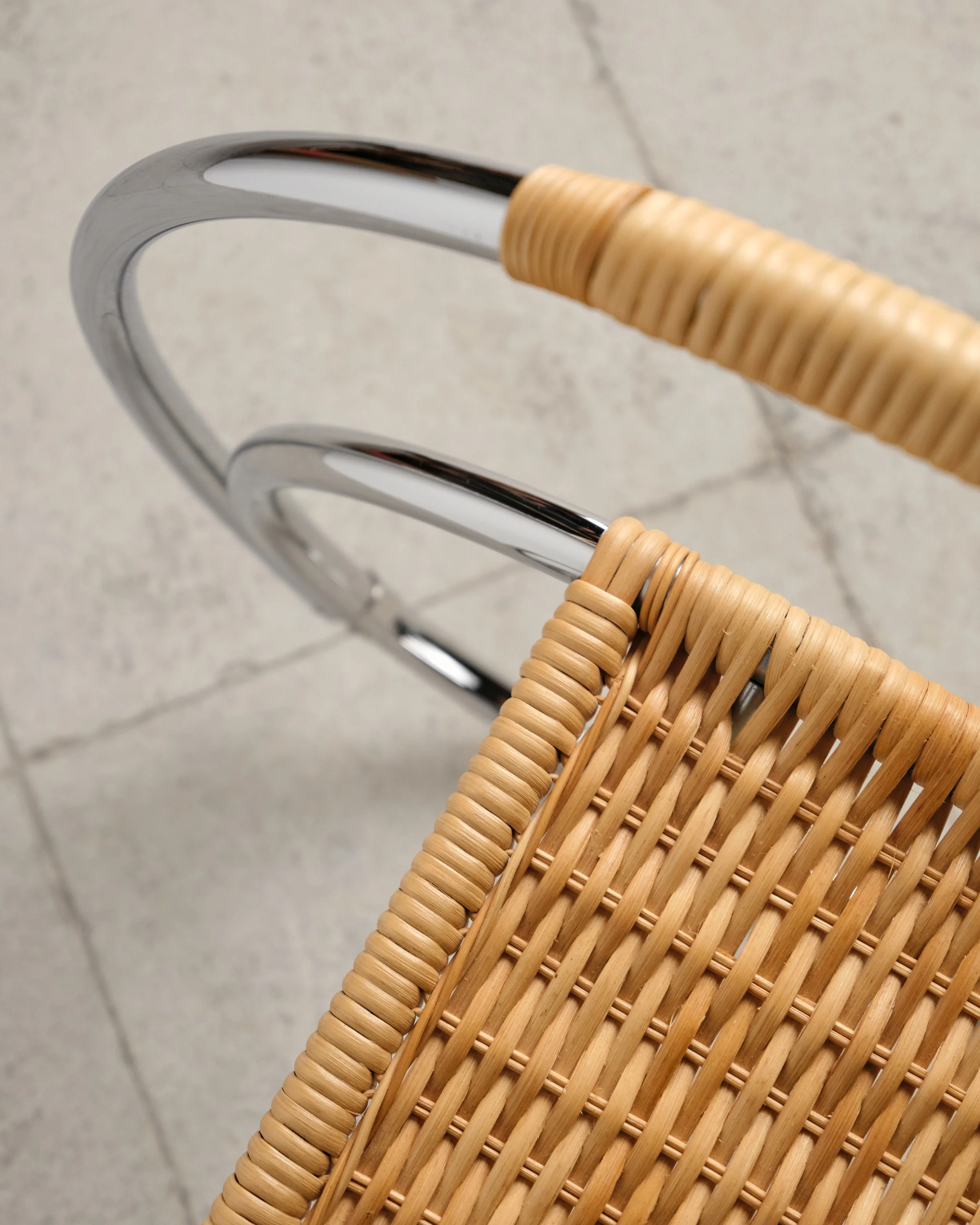 Bild 21 von 25
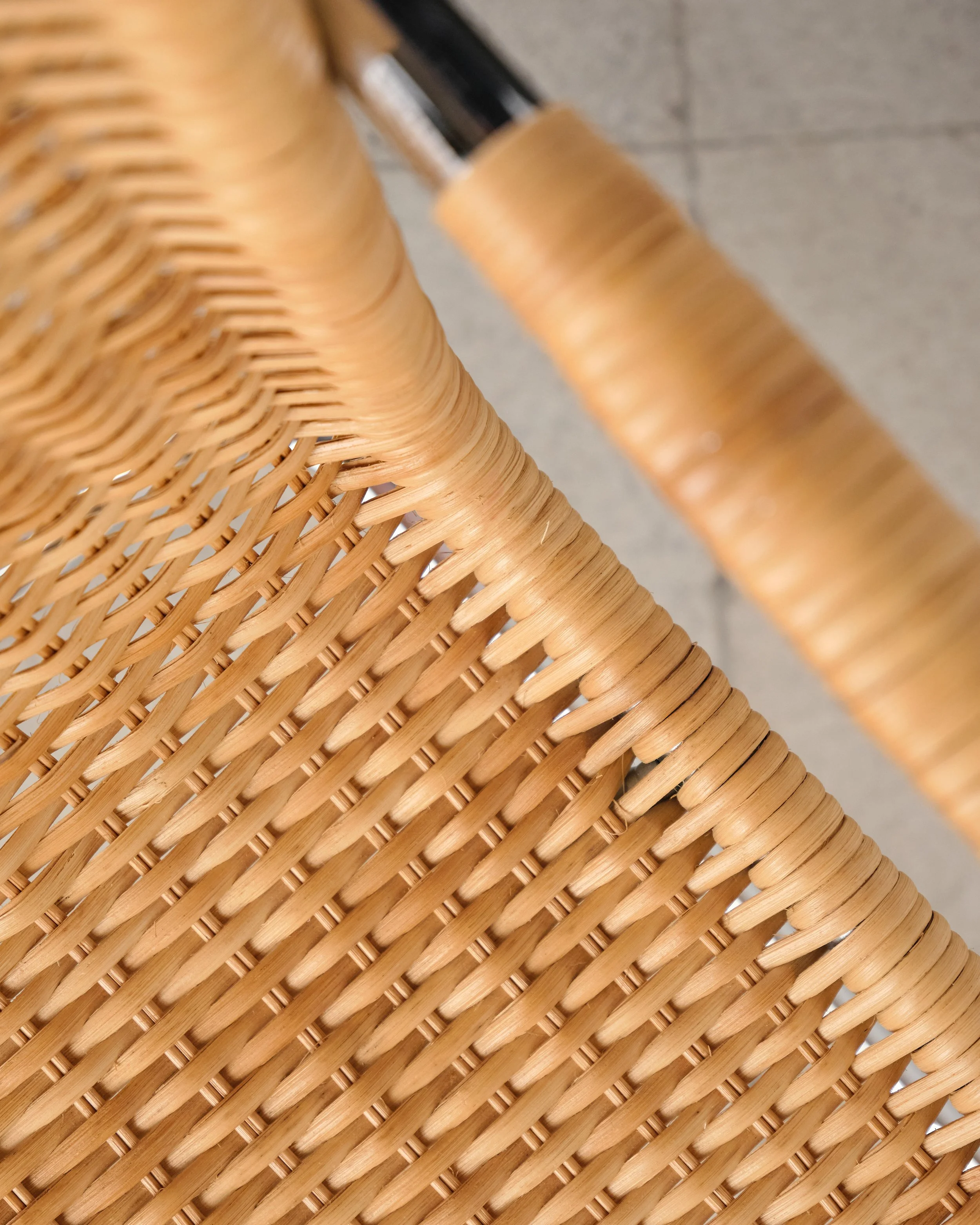 Bild 22 von 25
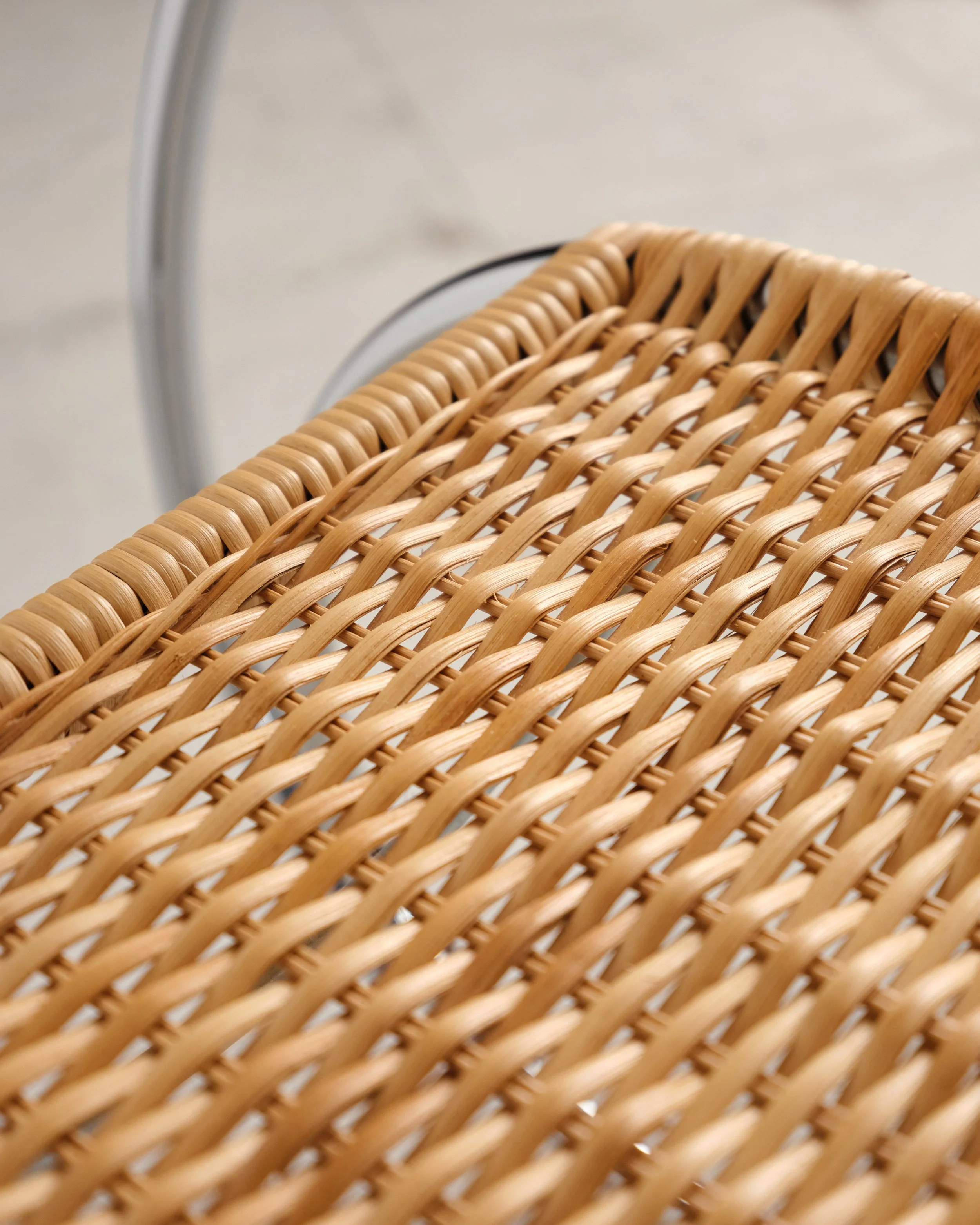 Bild 23 von 25
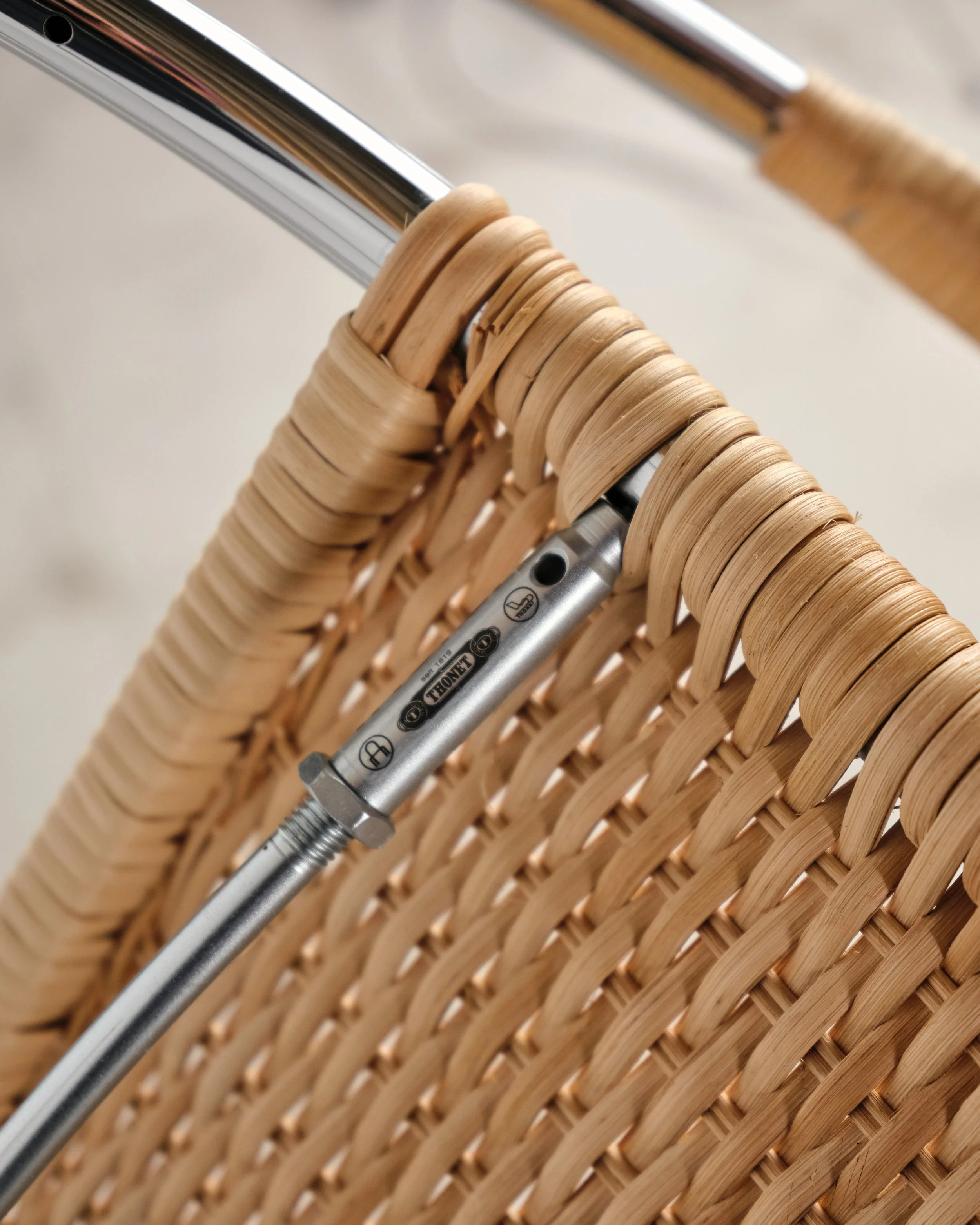 Bild 24 von 25
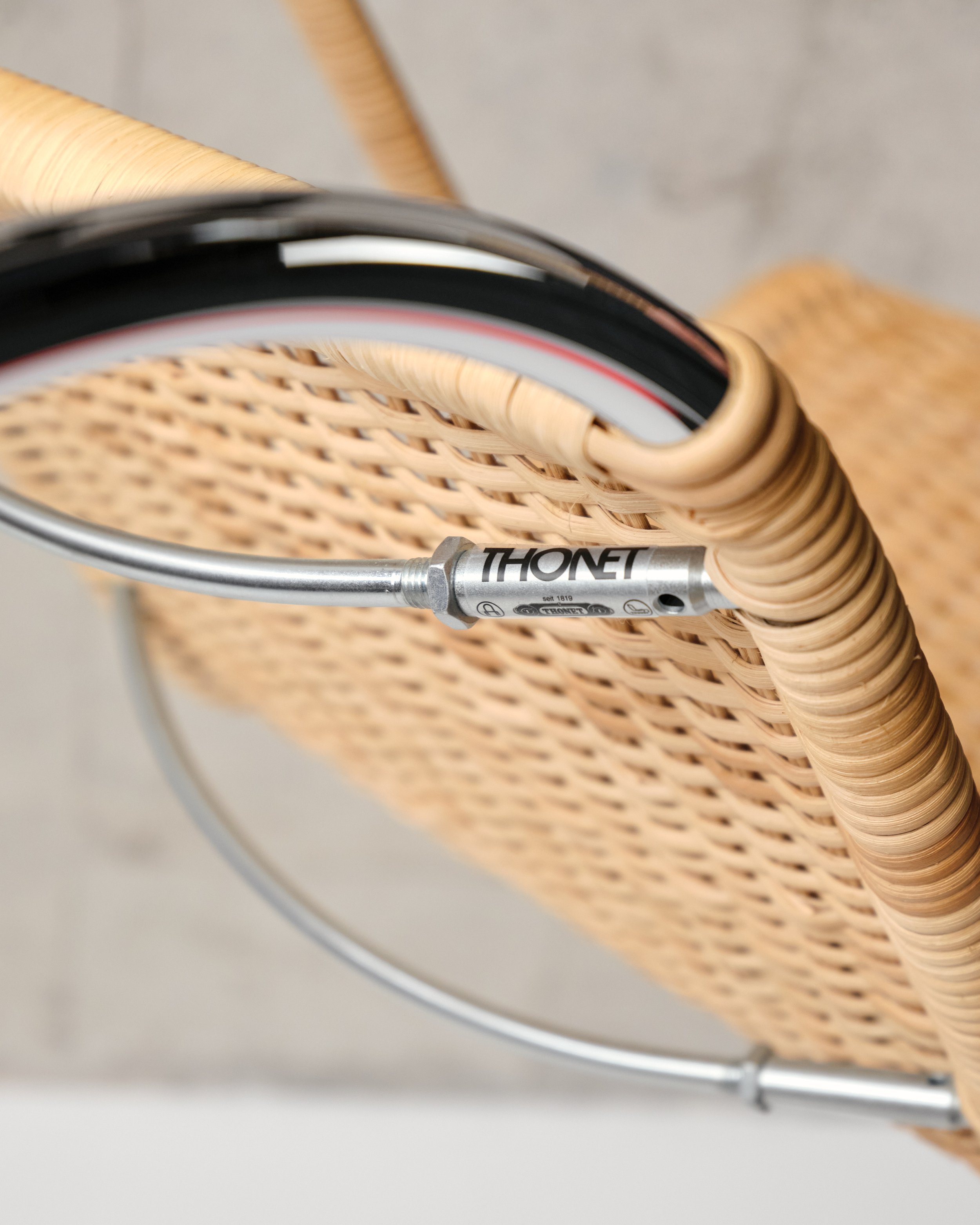 Bild 25 von 25